The Hidden Exposure Risks of DIY Mold Treatment in Barnstead
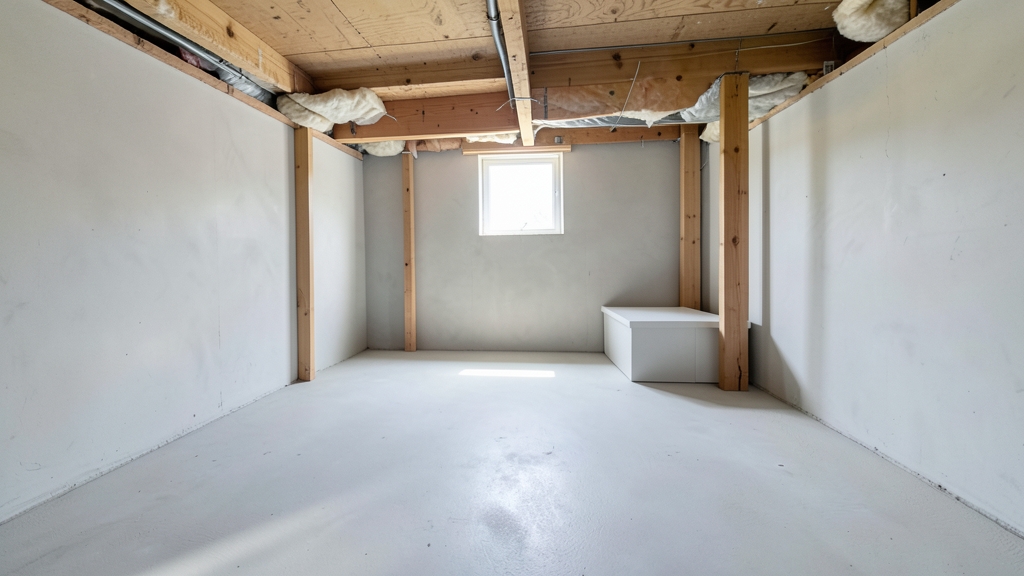
DIY mold treatment might seem like a cost-saving fix, but in Barnstead’s damp climate, it often backfires. Improper handling can expose you to toxic spores, worsen infestations, and even damage your home’s structure. We’ve seen the risks firsthand—and they’re not worth the gamble.
Why Barnstead’s Climate Makes Mold a Persistent Threat
New Hampshire’s humid summers and cold, wet winters create ideal conditions for mold growth in Barnstead homes. Poor ventilation in basements, crawl spaces, and attics only accelerates the problem.
Without professional moisture control, mold returns quickly—even after a thorough DIY cleanup. Spore colonies can lie dormant in walls, HVAC systems, or under flooring, waiting for the next humidity spike.
Health Risks: More Than Just Allergies
Disturbing mold without proper containment releases spores and mycotoxins into the air. Inhalation can trigger respiratory issues, skin irritation, and even neurological symptoms in sensitive individuals.
Long-term exposure—common in DIY projects that drag on—can lead to chronic health problems. Children, the elderly, and those with compromised immune systems are especially vulnerable.
Black mold (Stachybotrys) and other toxic varieties thrive in Barnstead’s damp basements and crawl spaces. Never handle without full PPE and professional testing.
How DIY Efforts Often Spread the Problem
Without containment barriers, spores travel through HVAC systems or on clothing, contaminating other areas of your home. We’ve seen DIY jobs turn a small attic issue into a whole-house infestation.
Improper cleaning methods—like bleach on porous materials—can mask mold temporarily but fail to kill roots. This gives homeowners a false sense of security while the colony regrows.
Structural Damage: The Silent Cost of DIY
Mold doesn’t just live on surfaces—it eats away at wood, drywall, and insulation. DIY treatments often overlook hidden damage in wall cavities or under flooring, leading to costly repairs later.
In Barnstead’s older homes, prolonged moisture exposure can compromise load-bearing beams. Professional remediation includes structural assessments to prevent long-term safety hazards.
| Factor | DIY Approach | Professional Remediation |
|---|---|---|
| Spore Containment | Minimal; risk of dispersal | Full containment with barriers and air scrubbers |
| Root Cause Addressed | Often missed (e.g., leaks, humidity) | Identified and fixed (moisture control, repairs) |
| Health Safety | High exposure risk without PPE | Controlled with HEPA filtration and protective gear |
| Long-Term Prevention | Unlikely without expertise | Includes prevention strategies (e.g., crawl space encapsulation) |
| Structural Integrity | Hidden damage may go unnoticed | Assessed and documented for repairs |
The Right Tools Matter: What You’re Missing
Professional remediation uses HEPA air scrubbers, moisture meters, and thermal imaging to detect hidden mold. DIY tools like household fans or store-bought sprays can’t match this precision.
In Barnstead’s older homes, mold often hides behind vintage plaster or in poorly insulated attics. Without the right equipment, you’re guessing—and that’s a risk you can’t afford.
If you suspect mold in your HVAC system, shut it off immediately. Running it will spread spores throughout your home—this requires professional duct cleaning.
When to Call a Pro: Red Flags in Your Home
Visible mold covering more than 10 square feet? That’s the EPA’s threshold for professional intervention. In Barnstead, we often see larger infestations in basements after flooding or near Alton’s lakefront properties.
Musty odors, water stains, or peeling paint are signs of hidden mold. If you’ve had recent water damage—common in Strafford or Pittsfield after heavy rains—assume mold is present until proven otherwise.
Signs You Need Professional Mold Remediation
- Mold returns after cleaning
- Musty smells persist in basements or attics
- Family members experience unexplained allergies or respiratory issues
- Water damage (past or present) in walls, ceilings, or floors
- Visible mold in HVAC systems or ductwork
What Professional Remediation Actually Involves
We start with a thorough mold inspection and air quality testing to identify the species and extent of the infestation. This step is critical in Barnstead, where multiple mold types often coexist.
Containment is set up with plastic sheeting and negative air pressure to prevent spore spread. Then, we use specialized cleaners and HEPA vacuums to remove mold at the source—never just the surface.
Finally, we address the moisture problem. Whether it’s a leaky roof in Gilmanton or poor crawl space ventilation, fixing the root cause is the only way to prevent recurrence.
Preventing Mold in Barnstead’s Unique Conditions
Controlling humidity is key. In our climate, basements and crawl spaces need dehumidifiers or encapsulation. Attics require proper ventilation to prevent condensation buildup.
Regular inspections—especially after heavy rains or snowmelt—can catch problems early. For homes near lakes or in low-lying areas, proactive moisture barriers are a smart investment.
How to Safely Assess Mold Before Calling a Pro
If you’re unsure whether to DIY or call a professional, follow these steps to gauge the risk.
- 1Do Not Disturb
Avoid touching or scrubbing the mold. Disturbing it can release spores into the air, increasing exposure risks.
- 2Contain the Area
Close doors or windows to the affected space to limit spore spread. If possible, turn off HVAC systems to prevent circulation.
- 3Document the Problem
Take photos of the mold, water stains, or damage. Note the size of the area and any musty odors. This helps professionals assess the scope.
- 4Check for Moisture
Use a moisture meter (or even a simple touch test) to identify damp areas. Mold thrives where water lingers, so find the source.
- 5Call for Testing
If the mold covers more than a small patch or you suspect toxic varieties, request a professional mold inspection and air quality test.
Frequently Asked Questions
Can I use bleach to kill mold in my Barnstead basement?
Bleach only kills surface mold on non-porous materials like tile or glass. For wood, drywall, or concrete—common in Barnstead basements—it doesn’t penetrate deep enough to kill the roots. Worse, it can add moisture, feeding future growth.
How do I know if my mold is toxic?
You can’t tell by looking. Toxic molds like Stachybotrys (black mold) require lab testing to confirm. If you see dark, slimy growth in damp areas—especially after water damage—assume it’s hazardous and avoid contact.
Why does mold keep coming back after I clean it?
Mold returns because the moisture source wasn’t fixed. In Barnstead, this often means poor ventilation in attics, leaks in crawl spaces, or high humidity in basements. Professional remediation includes moisture control to prevent recurrence.
Is mold in my attic a bigger problem than in my basement?
Both are serious, but attic mold can spread quickly via HVAC systems or into living spaces. In Barnstead’s cold winters, condensation in poorly insulated attics creates prime mold conditions. Basement mold, however, often indicates structural or foundation issues.
Do I need to leave my home during mold remediation?
For small, contained projects, you may not need to relocate. But for large infestations—common in water-damaged homes near Alton or Pittsfield—temporary evacuation is safer, especially for vulnerable individuals. Professionals will advise based on the scope.
What’s the difference between mold testing and inspection?
A mold inspection visually assesses the problem and identifies moisture sources. Mold testing (air or surface samples) confirms the type and concentration of spores. In Barnstead, we recommend both for accurate remediation planning.